
Common Bike Repair Myths Debunked by Mobile Bike PRO

When it comes to bike repair, there are plenty of myths that can lead riders astray. At Mobile Bike PRO, we believe in empowering cyclists with accurate information to keep their rides smooth and worry-free. Here, we debunk some of the most common bike repair myths.
Myth 1: You Need Special Tools for Every Repair
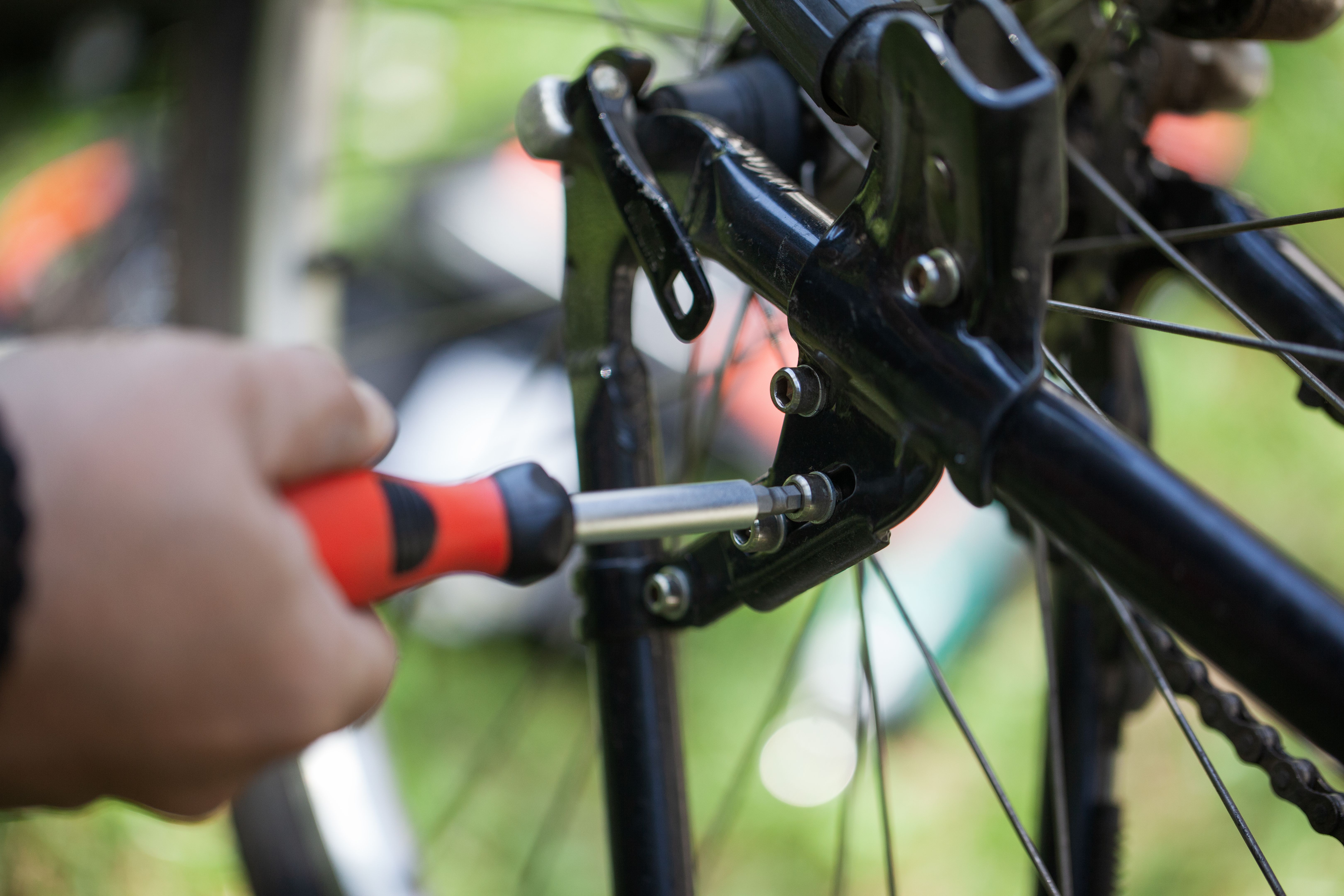
Many people think that every bike repair requires specialized, expensive tools, but that's not always the case. While certain tasks may need specific tools, most routine maintenance can be handled with a basic set of wrenches, screwdrivers, and tire levers. Investing in a small multi-tool can also be a game-changer for on-the-go repairs.
Myth 2: Frequent Lubrication Is Always Better
Lubrication is crucial for a bike's performance, but overdoing it can cause more harm than good. Excessive lubrication attracts dust and grime, leading to a sticky, gunky buildup. It's essential to apply just the right amount and wipe off any excess to keep your bike chain and components clean and efficient.
How Often Should You Lubricate?
Consider the conditions in which you ride. For dry environments, a light coating every 100-200 miles might suffice. In wet conditions, you may need to lubricate more frequently. Always clean your chain before reapplying lubricant to avoid trapping dirt.

Myth 3: Changing a Flat Tire is Too Difficult
Many cyclists dread the thought of changing a flat tire, but with a little practice, it becomes a straightforward task. The key is to remain patient and follow a step-by-step process. Start by removing the wheel, use tire levers to unseat the tire, replace or patch the tube, and then reassemble everything.
Tools You Need
Having a set of tire levers, a pump, and a spare tube or patch kit in your bag ensures you're prepared for any flat tire situation. Practicing at home can boost your confidence for when you're on the road.

Myth 4: Brake Squeal Means Replacement
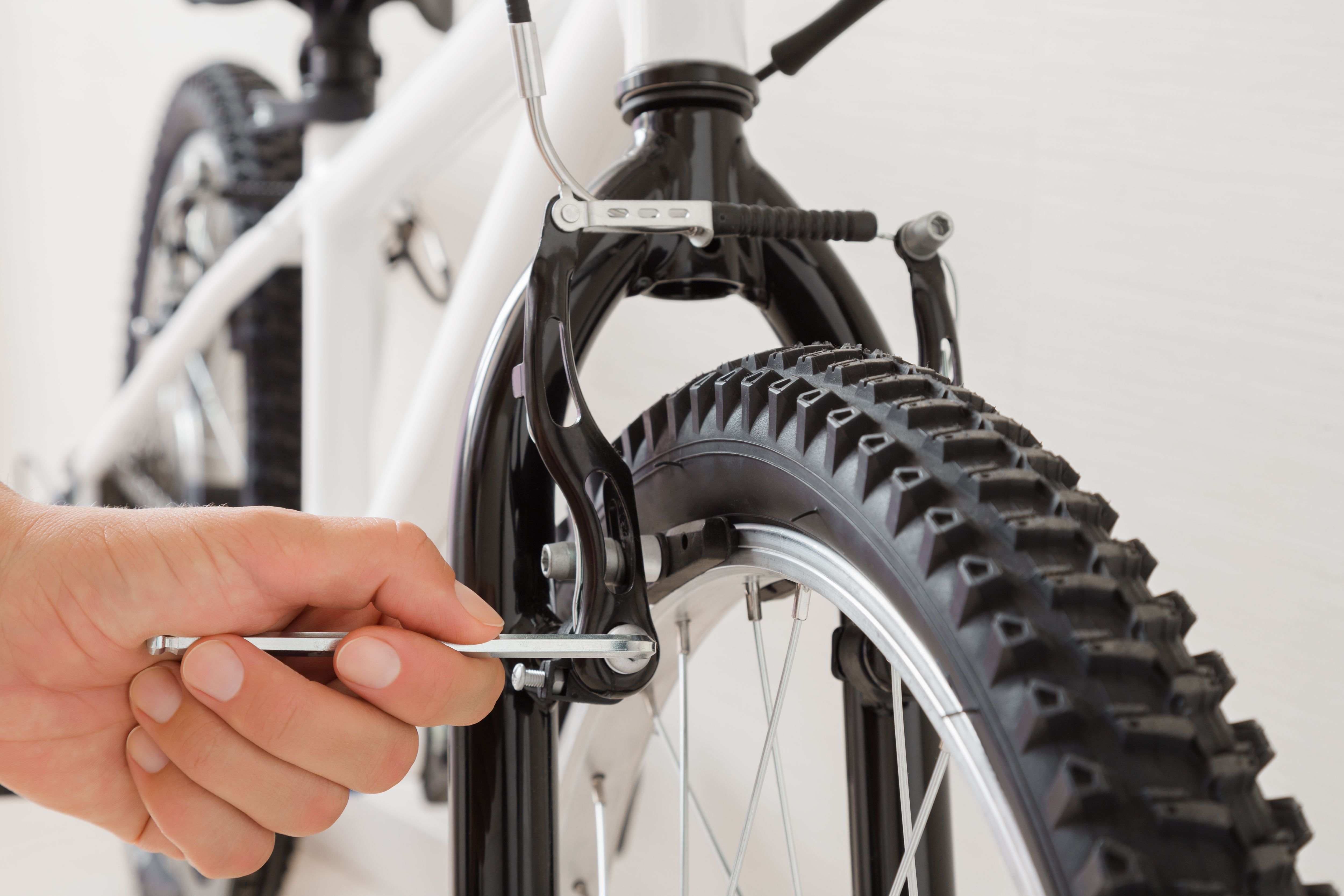
Hearing a squeal from your brakes doesn't necessarily mean they need to be replaced. Often, it’s a sign that they need cleaning or adjustment. Dirt and oil can accumulate on the brake pads and rims, causing noise. A thorough cleaning can often solve the problem.
Adjusting Your Brakes
Sometimes, brake squeal is due to misalignment. Ensuring that the brake pads make proper contact with the rims can eliminate the noise. If you're unsure, professional mobile services like Mobile Bike PRO can provide expert adjustments on-site.
Myth 5: Professional Repairs Are Always Expensive
Many cyclists avoid professional services due to fear of high costs. However, mobile bike repair services can be surprisingly affordable and convenient. They offer transparent pricing and the expertise needed to ensure your bike is in top condition. Additionally, they can save you time and hassle, providing peace of mind.
In conclusion, understanding these common myths can help you better maintain your bike and make informed decisions about repairs. Whether you're a seasoned rider or a beginner, knowing when to DIY and when to call in the pros can keep your cycling experience enjoyable and stress-free.